

Cats • Document-based reviews

Cat insurance reviews with a clinical test

Review the product against investigation and follow-up for a new feline health problem, while keeping current symptoms outside any promise.

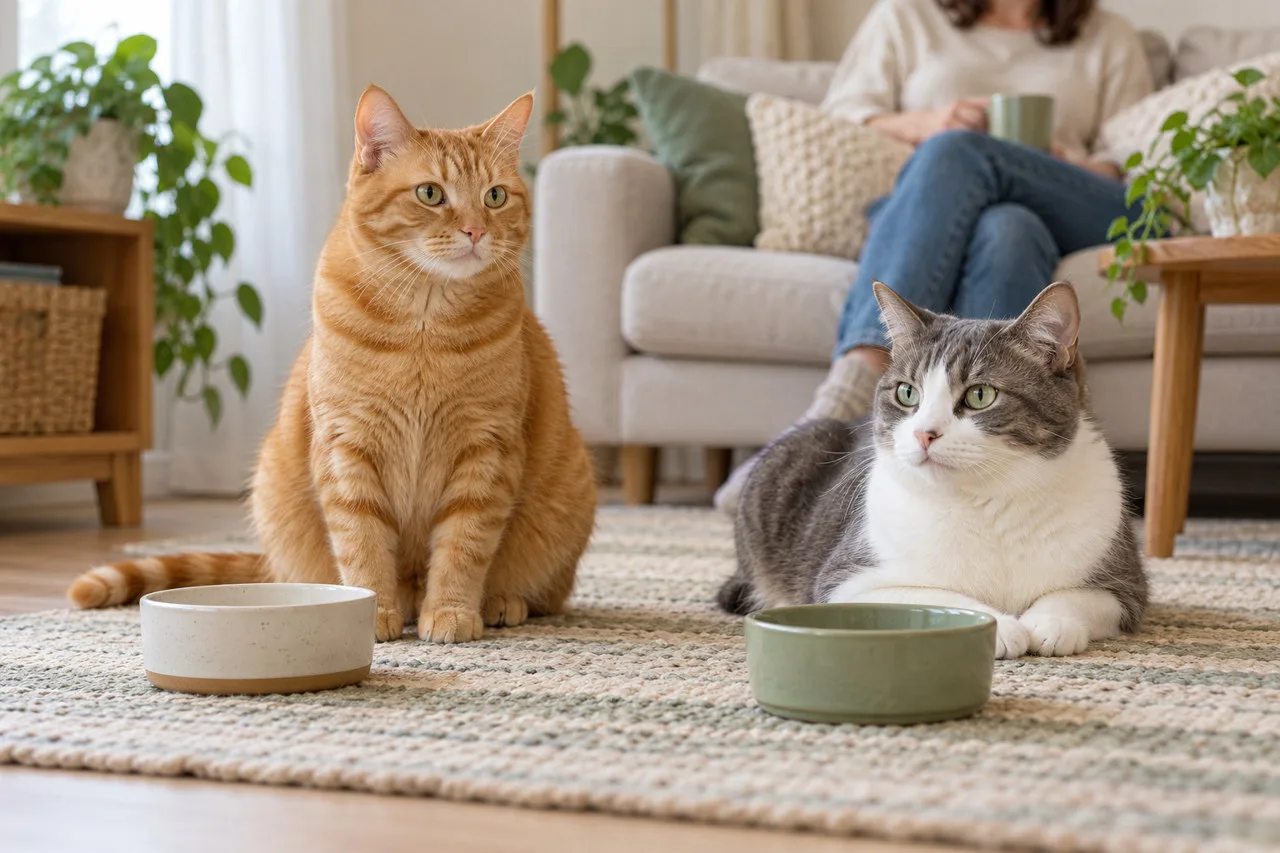
Two cats resting near separate food bowls at home
✓ Policy-first ✓ Independent ✓ Useful checks
Direct answer
Useful cat-insurance reviews explain how a policy handles a new illness from examination through follow-up. These are conditional document reviews, not tested claim ratings or a universal ranking.
Claims

Use a cat-specific test without predicting a claim

Owner resting beside a tabby cat
A home scene does not establish urinary symptoms or any other diagnosis.

Cornell explains that lower urinary tract signs can have several causes, with examination, urinalysis and sometimes further testing needed. For an insurance review, that uncertainty matters: the owner may not know the final diagnosis when the first bill arrives.

Use a hypothetical genuinely new problem to ask about the examination, investigation, treatment and later follow-up. Then repeat the question with a history of similar signs. A review that answers only the first scenario can be misleading for a cat with existing records.

If a cat strains and passes little or no urine, possible obstruction is an emergency requiring prompt veterinary attention. Do not wait for insurance shopping, a quote or a claim answer. The comparisons here are for planning, not deciding whether an ill cat needs care.

Coverage

ASPCA Pet Health Insurance: investigate the follow-up benefits

Its Complete Coverage materials describe eligible medical exam fees and prescription food used to treat a covered condition, while excluding food for general maintenance or weight management from that stated food benefit.

Our assessment: worth investigating when the follow-up plan may contain both consultations and a therapeutic food purchase. The reason to hesitate is that a veterinary recommendation or prescription alone does not settle eligibility. Ask which condition the food is treating and which clause applies.

For the urinary example, keep the original diagnostic records and the veterinarian’s stated purpose for any later purchase. Do not relabel ordinary food as treatment. The review supports asking a specific question; it does not establish that an existing urinary history or all future food purchases will be covered.

What to know

Trupanion: inspect the medical promise and retained charges

Trupanion’s current core medical description includes urinary obstructions, diagnostic testing and hospitalization, and states that it does not impose payout limits. Its current general US core medical description excludes exam fees as well as wellness and preventive care. In this cat-review test, budget separately for the initial examination and follow-up consultation fees, even when related diagnostics or treatment are eligible. Confirm the exact state and product offer; this description is not a determination of any individual cat’s claim.

Our assessment: worth investigating when the concern is a potentially substantial eligible medical episode rather than prepaid routine services. The reason to hesitate is that a large possible payout does not determine whether this cat’s condition is eligible or whether a particular charge is included.

Ask about a first diagnostic visit with no final diagnosis, a later diagnosis and repeat care for the same problem. Obtain the offered deductible and condition-grouping explanation instead of assuming each visit creates a new event or that unlimited payouts means no personal contribution.

What to know

What these reviews cannot measure

We reviewed official materials; we did not purchase policies, submit claims or collect a representative set of cat-owner experiences. No service-speed score, approval-rate comparison or cheapest-cat finding is supported.

When reading an owner review, identify the state, product, cat’s prior history and the actual disputed charge. Compare a service complaint with service evidence, and a coverage complaint with the policy. Use NAIC’s consumer tools to research the legal company separately from a brand’s star average.

Your final choice should use the cat’s actual offer and history. If one unanswered exclusion could change the decision, leave the comparison open until you obtain the relevant explanation.

Evidence

Sources and policy context

These public references support the consumer or veterinary context. Named insurer details were checked in official product materials; the policy offered for your pet and state determines the actual terms.

Next step

Compare Current Pet Insurance Rates

Check current options for your pet and location, then compare the policy details, exclusions, costs, and eligibility before choosing.

Compare the policy before you choose Check the actual offer, exclusions and out-of-pocket terms.
See Rate Options